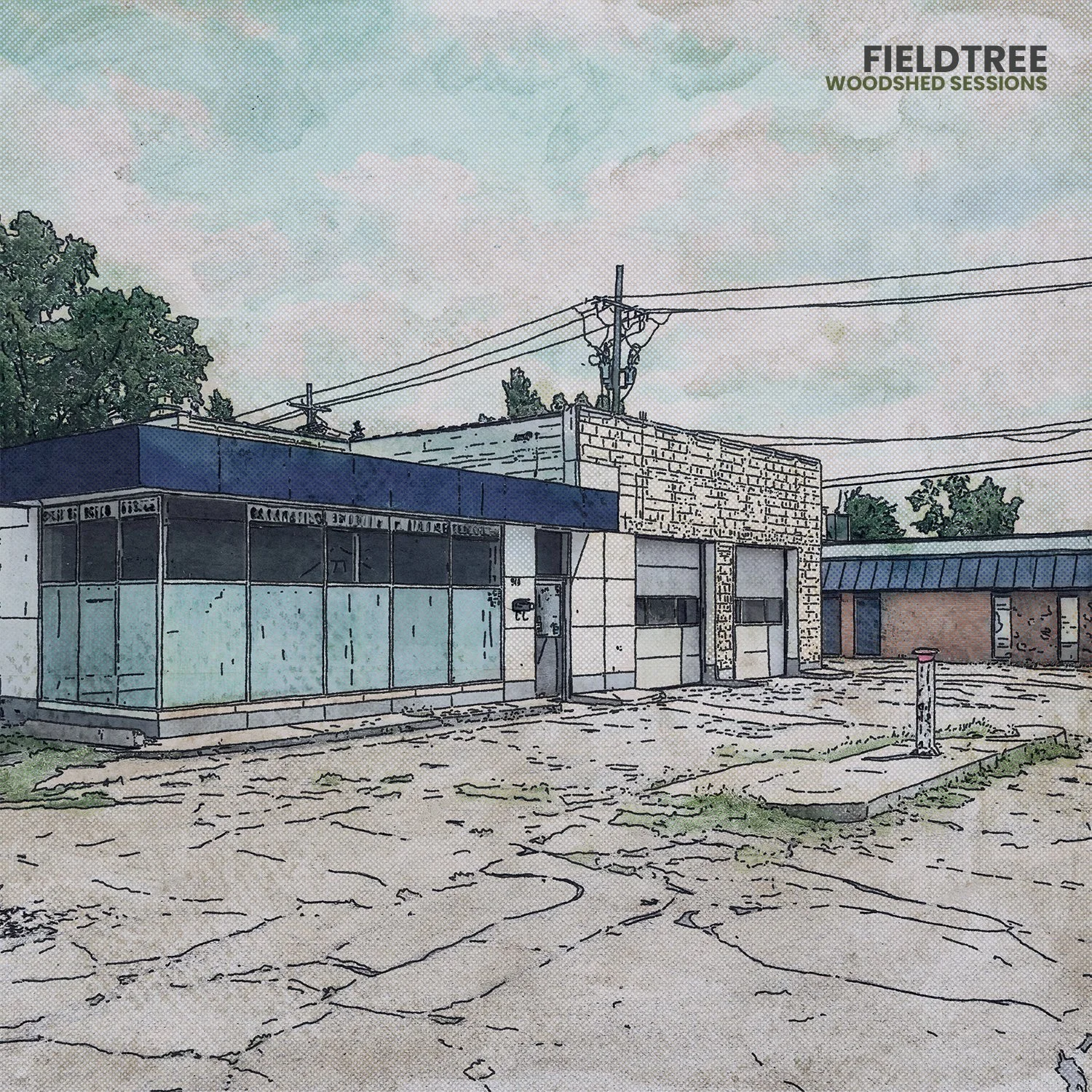
singh-zu
All compositions, instruments, sounds, and voices: Jeremy Freer, Scott Masson, and Isaac Perry. Produced by Fieldtree. Recorded, co-produced, and engineered by Tim Pak at Woodshed Studios in 1997-1998. Ferndale, MI. This was the last album Fieldtree recorded, and it remained unreleased until 2026. Available on all streaming platforms and Bandcamp.
©2026 PublicTreatments (ASCAP). ©2026 TroubleNoMore (ASCAP). ©2026 NathanielWashington (ASCAP).
Art: Scott Masson
Songs:
100
Kissing the Scarcrow
No Easy Words
I, in My Liquid Eye
Invisible Divine
Fireflies
The Gallery
Cordially Crimson Queen
Franklin 3 A.M.
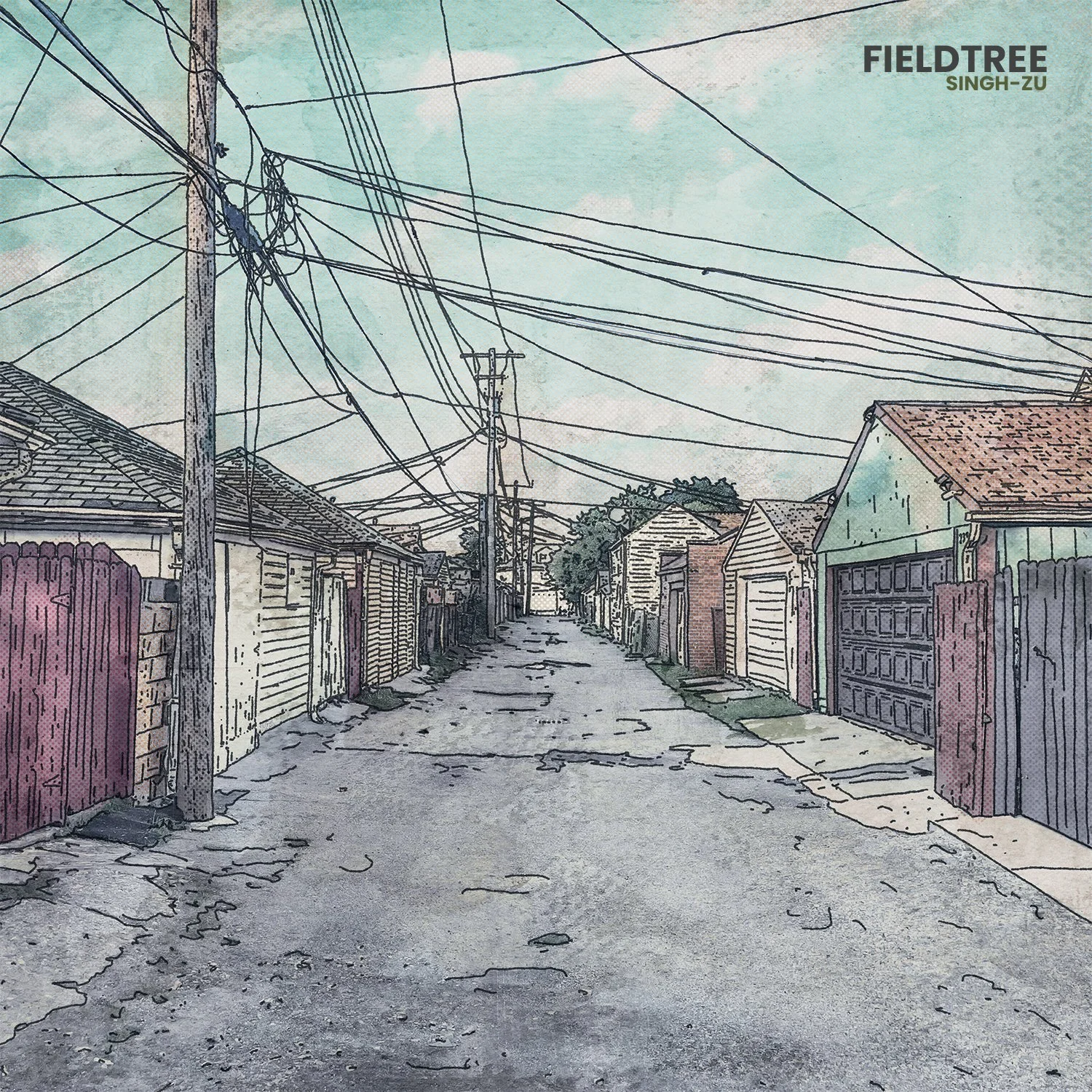
polychronic sound
All compositions, instruments, sounds, and voices: Jeremy Freer, Scott Masson, and Isaac Perry. Produced by Fieldtree. Recorded, co-produced, and engineered by Tim Pak at Woodshed Studios in 1996-1997. Ferndale, MI. This was Fieldtree’s first full-length LP. Available on all streaming platforms and Bandcamp.
Cello (on Track 2 and 3): Myrna Koziol
Additional voice on Track 3: Matt Openshaw
Additional noise on Track 7: Jason Freer
Additional guitar and voice on Track 14: Andrea Fontana Burdick
Art: Scott Masson
©2026 PublicTreatments (ASCAP). ©2026 TroubleNoMore (ASCAP). ©2026 NathanielWashington (ASCAP).
Songs:
Mi Vida Loca
Fake Days
As Loud as a Love Song
Bloodshirt
One When You Wake Up, Two After Dinner
Birth of a Memory
Open Bottle of Blue Eye
All the Kids on the Beanstalk
-+ Soul
My Spine
I.M.
Dog Xelpmoc
Fire Mirror
Sleep in Slow Motion
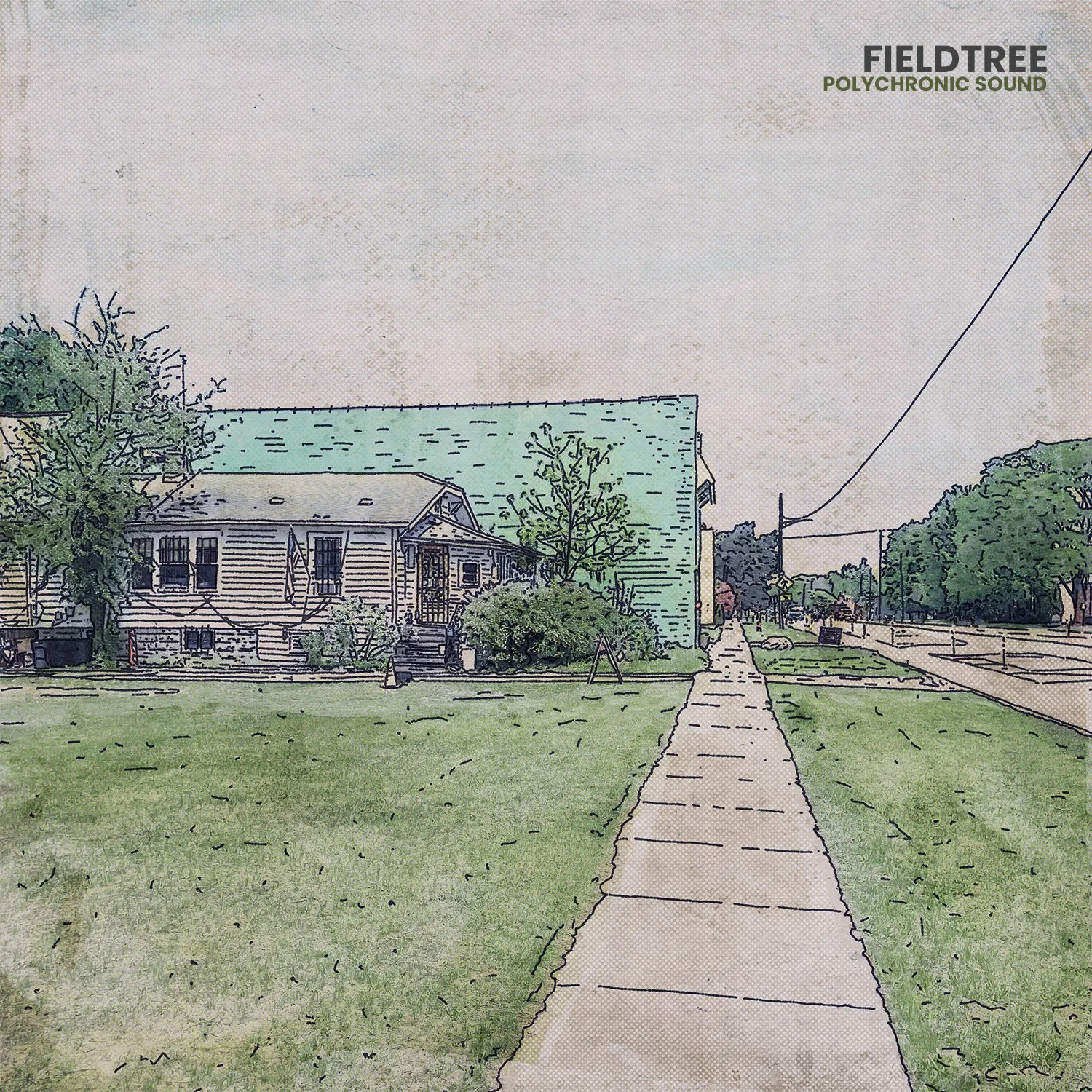
woodshed sessions
All compositions, instruments, sounds, and voices: Jeremy Freer, Scott Masson, and Isaac Perry. Produced by Fieldtree. Recorded, co-produced, and engineered by Tim Pak at Woodshed Studios in 1995-1996. Ferndale, MI. This batch of music consists of Fieldtree’s first trip to a professional studio in 1995. “Limb” and “Memories of the World” made up the band’s first 7” single. The other songs remained unreleased outtakes, or were included on various vinyl compilations and 7” singles throughout the country between 1995 and 1996.
©2026 PublicTreatments (ASCAP). ©2026 TroubleNoMore (ASCAP). ©2026 NathanielWashington (ASCAP).
Art: Scott Masson
Songs:
Limb
Memories of the World
In Her Youth (Woodshed Version)
The Accused
Tumor (Woodshed Version)
Sun
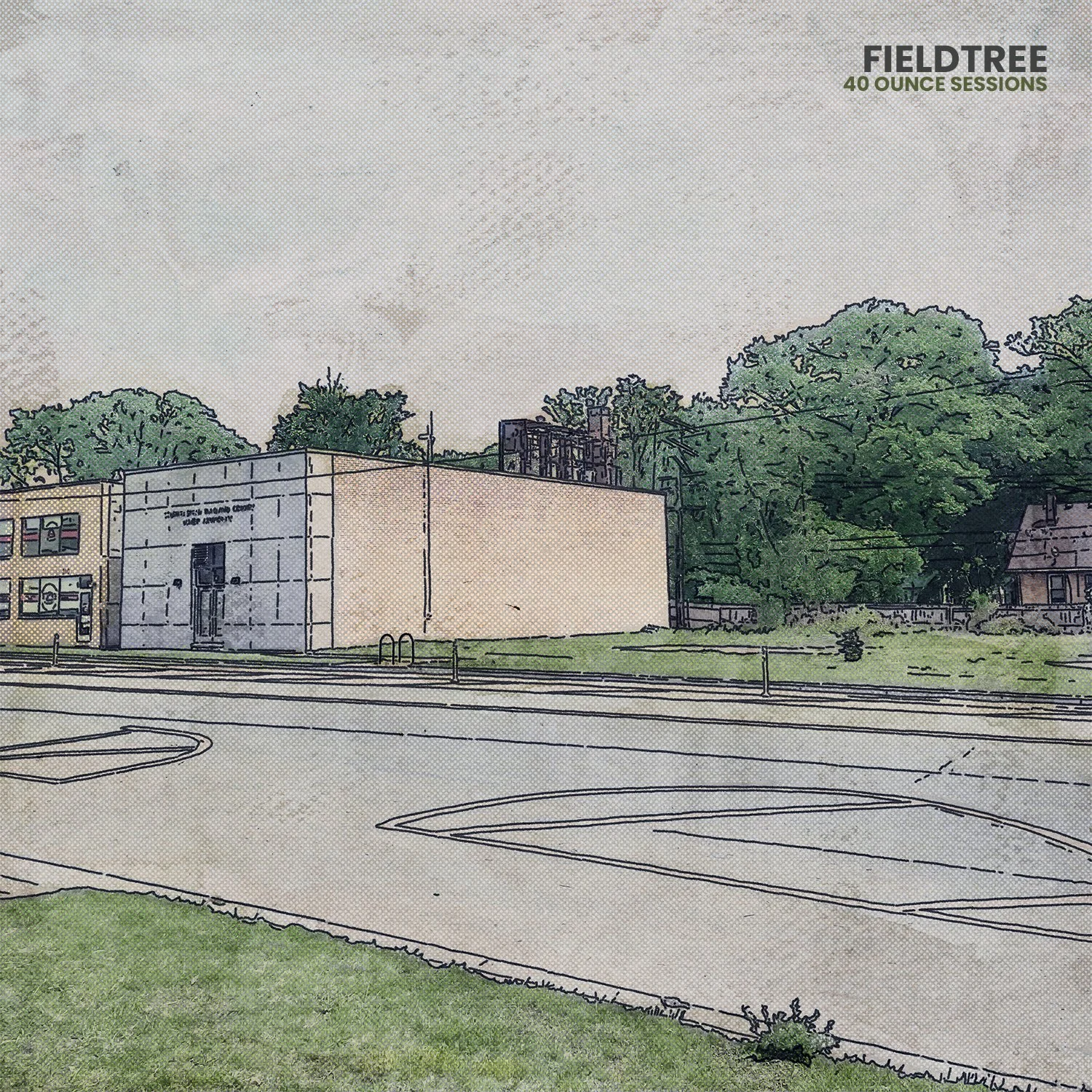
40 ounce sessions
All compositions, instruments, sounds, and voices: Jeremy Freer, Scott Masson, and Isaac Perry. Produced by Fieldtree. Recorded and engineered by Geoff Streadwick at 40 Ounce Studios in 1996. Ann Arbor, MI. Some of these songs were included on various 7” singles released across the country, as well as some compilations. Some songs remained unreleased until now. Available on all streaming platforms and Bandcamp.
©2026 PublicTreatments (ASCAP). ©2026 TroubleNoMore (ASCAP). ©2026 NathanielWashington (ASCAP).
RIP Geoff.
Art: Scott Masson
Songs:
One Death
Sunset Sprawl
I Know About Broken Eyes
Plus Summer, Minus Winter Girl
Fake Days (40 Ounce Version)
Spine
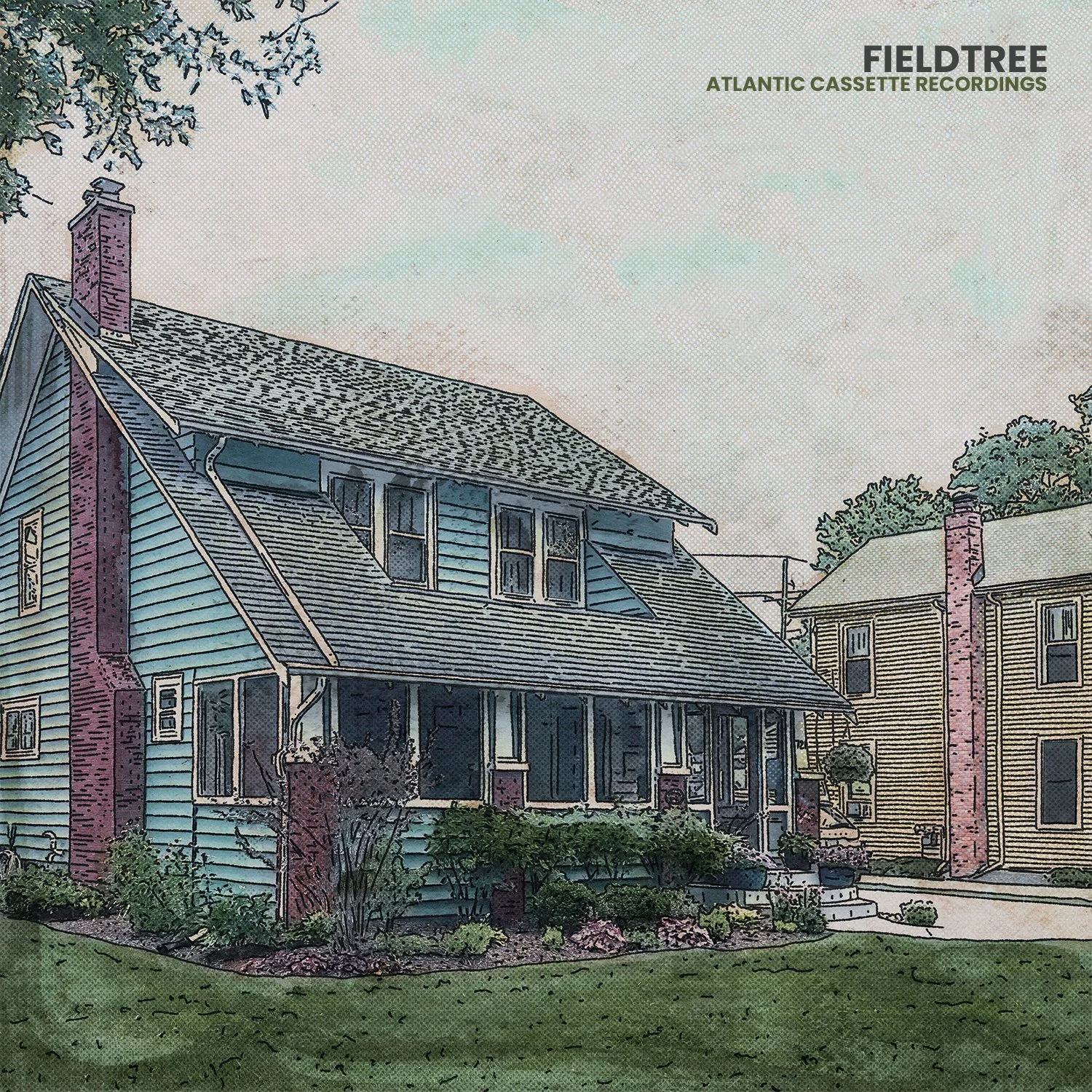
Atlantic cassette recordings
All compositions, instruments, sounds, and voices: Jeremy Freer, Scott Masson, and Isaac Perry. Produced by Fieldtree. Recorded and engineered by Scott Masson on Tascam cassette 4-track in early 1995. Milford, MI. This batch of material represents our earliest songs and recordings. We had just started performing around Michigan, and needed a quick demo tape to sell for cheap at our shows. We made about 30 copies of these recordings on cassette, and sold them in a paper lunch bag with a Fieldtree sticker included. Jeremy was around 18, Isaac was 17 years old, and Scott was 16. Available on all streaming platforms and Bandcamp.
Art: Scott Masson. The house is in Milford, MI. We like to refer to it as “Fieldtree HQ”, but it also served as the home Scott grew up in during the 80s and 90s.
©2026 PublicTreatments (ASCAP). ©2026 TroubleNoMore (ASCAP). ©2026 NathanielWashington (ASCAP).
Songs:
Can’t Stop To Retrieve
Tremor
Dirty Laundry
Say Something
Tumor (Atlantic Version)
Pieces
In Her Youth (Atlantic Version)
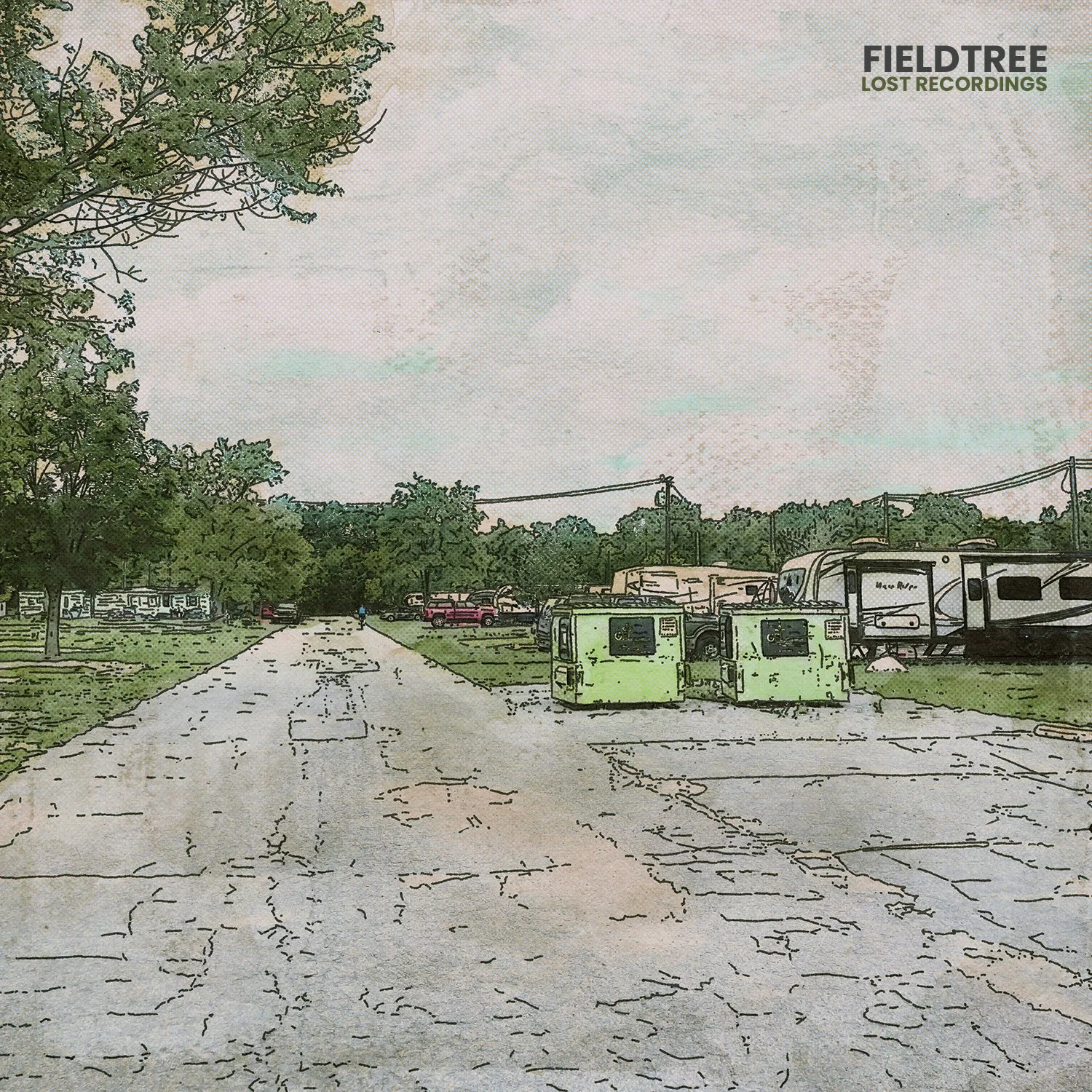
lost recordings
All compositions, instruments, sounds, and voices: Jeremy Freer, Scott Masson, and Isaac Perry. Produced by Fieldtree. These songs are outtakes, demos, rehearsal recordings, or songs that never saw the light of day. “The End of the World” was originally released as part of the Woodshed “Gag Order” compilation, which featured a lot of groups who recorded with Tim Pak. Available on all streaming platforms and Bandcamp.
Art: Scott Masson
Track 1, 5, and 6: recorded, co-produced, and engineered by Tim Pak at Woodshed Studios in 1997-1998. Ferndale, MI.
Track 2 and 3: recorded “live” by Scott Masson on Tascam cassette 4-track in 1997. Milford, MI.
Track 4: recorded by Scott Masson on Tascam cassette 4-track in 1995. Milford, MI.
Track 7: recorded by Jeremy Freer on Tascam cassette 4-track in 1997. Farmington, MI.
©2026 PublicTreatments (ASCAP). ©2026 TroubleNoMore (ASCAP). ©2026 NathanielWashington (ASCAP).
Songs:
Lord, Oh Lord
A Love Like That
Exhausted Wasted Days
Don’t Throw Yourself Away
Funhouse Mirrors (Woodshed Version)
The End of the World
The Sound of Skin
In the fall of 1995, my senior year of high school, 5th hour meant Jazz Band, one of the most consequential classes I ever took. Scott and I were already acquaintances through mutual friends as well as through the bond of being fellow musicians in a small town, and now we were playing together on a regular basis right after lunch. We had an easy friendship that primarily revolved around sarcasm and laughter, but the mood always got slightly more serious when we started playing music. We soon formed a solid mutual respect for each other as musicians. I vividly recall him asking me one day whether I’d be willing to learn a set of songs for an upcoming show he was playing with some guy named Jeremy. The band was called Fieldtree. Apparently, their drummer quit a week before the band’s first gig. Always seeking new opportunities to expand my horizons, I accepted without hesitation. We had one practice, we seemed to get along well enough, and I liked the music, too. After the show finished one week later, Jeremy and Scott asked whether I wanted to remain as Fieldtree’s permanent drummer. Once again I accepted without hesitation, completely oblivious to the incredible opportunity that had just been presented.
It is rare for a drummer to have a voice in a band, whether that be in crafting a song’s structure, modifying a melodic component or vocal arrangement, contributing ideas to the art layout for an album cover, or general opinions about what direction the band’s music is taking. Similarly, finding oneself immersed in an artistic endeavor with other artists who are equally dedicated to both the process and the end product is rather uncommon, but that was indeed the mentality that defined my experiences with the group: The more we practiced and the more we experimented, the more urgent the process of creation and collaboration became. I woke up thinking about our songs; I practiced each one in my head repeatedly throughout the day, seeking new ways to enhance a beat or a fill; even at night my mind raced with possibilities for our future – the albums we would record and the tours upon which we might embark. All I knew at the time was that I loved being in this band and that performing in front of others motivated me in ways I had never experienced. Every song we wrote and recorded provided another chance to try out new sounds and styles, ultimately leading us through an intense period of musical evolution in a short timespan. Along the way, Scott and Jeremy embraced me as a member of a family, allowing me to progress as a musician, to realize the artistry behind songwriting, never for a moment treating me as just the drummer. I was invited to the conversation time and time again, and I contributed as best I could from behind the drum set. To this day, my favorite Fieldtree tracks are the ones where the three of us were most engaged, excited, and involved during the writing process, “The Gallery” being a prime example.
Just as my time with Scott and Jeremy nourished my development as an artist and musician, it also shaped the civic-mindedness that has remained with me well into adulthood, a characteristic I continue to rely on as a community member, father, and educator. Traveling and performing in various venues throughout southeast Michigan resulted in innumerable conversations and encounters that revealed new layers of society, exposing me to mentalities, attitudes, and ideas that I may never have experienced otherwise. Like many teenagers in the suburbs, safety and consistency defined my typical interactions with others. From day to day, I could easily enjoy the comforts of my community, rarely engaging with people whose lives contrasted significantly with my own. Fieldtree changed that. Jeremy and Scott were both far ahead of me in terms of appreciating the importance of the arts in a healthy society and how engaging with other artists from diverse communities strengthens our understanding of ourselves and the role we might someday play in our community. We discussed the contributions of great musicians, artists, poets, filmmakers, and activists, people who we admired and whose stories we felt stood for something important by challenging society to progress, to foster empathy, to support the vulnerable and shelter the exposed, and to challenge the corrupt and powerful. More importantly, we shared these concepts openly with one another and always encouraged each other to remain receptive and thoughtful about new people, ideas, and environments. In many ways, my relationship with Fieldtree became a kind of incubator for me, allowing me to consider how other artists, musicians, and activists used their voices and talents to create positive impacts in their communities, inspiring me to live by that ideal and doing all I can to pass it on to others, whether that be my children, students, or fellow community members.
Looking back on our music now, I can absolutely see the influence that jazz had on our dynamic all along, especially considering how trust and respect provided the foundation for our relationship. I recognized Jeremy’s songwriting ability early on, even at our first practice. So much of what he wrote excited me and stuck with me long after he played it for us. Likewise, Scott’s bass lines and licks demonstrated a talent that spoke for itself, long before he started bringing his own brilliant songs to us. There was never any doubt in my mind that I was playing with two serious musicians. I did my best to keep up with them while also letting my influences shine in my playing and honing my own style. In the end, like any good trio, we admired each other’s skill, gave each other room to breathe and explore, learned the nuances of each other’s style, and always let the music go in whatever direction we felt it pulling us, whether that be toward the universe of chaos and clutter or one of logic and timing. In many of our tracks, I hear us taking turns, allowing one another space to see where our instincts propel our playing. While we were hardly soloists at the time, we labored to be as fearless and adventurous as our musicianship allowed. We played in the moment, with one another, reacting to each other’s energy, floundering and flourishing all at once in a way that I feel was uniquely our own.
Words by Isaac Perry / 2026